
MN Speaks
Minnesota's Story, Told by the People Who Lived It.
Your Story Is Minnesota's Story
Did you talk to your kids, coworkers, or out-of-state friends about Operation Metro Surge?
Did you make art about it?
Did you attend a training?
Where were you when you heard Renee Good and Alex Pretti were killed?
Did you see your neighborhood show up in the media?
Did you welcome someone home after they were released from Whipple?
Did you patrol your neighborhood?
What was your experience at a protest?
How would you describe what it was like during Operation Metro Surge?
Did you go to a memorial?
Did you hear or blow whistles?
Did you drop off food?
Did you learn about surveillance methods?
About MN Speaks
MN Speaks is a community archiving oral history project collecting and preserving the firsthand experiences of Minnesotans who lived through Operation Metro Surge. Whether you patrolled your neighborhood, attended a protest, sheltered in place, or simply tried to make sense of what was happening, your story is part of Minnesota's history.
We're not a nonprofit. We're not a startup. We are independent community members organizing together to record, archive, and protect these personal accounts so that community voices are never lost, simplified, or forgotten. If you were here, we want to hear from you.
Mission
Collect, preserve, and share the lived experiences of Minnesotans during Operation Metro Surge to safeguard community truths for future generations.
No Story too Small
Your story doesn't need to be dramatic to matter. Waiting in line to drop off food or waiting for a neighbor to safely walk you to your car after work. Making luminaries, answering your child's hard questions, meeting a neighbor for the first time…the night you couldn't sleep. Future generations will piece together what this moment really felt like from stories exactly like yours.
Where Your Story Will Go
We are thoughtfully considering options for long-term preservation and access. Ramsey County Historical Society has agreed to partner with MN Speaks as a collection repository.
Additional options we are considering right now include:
Making interviews nationally searchable through a database
Developing curated projects such as podcasts, community theater, books, or options we are not yet aware of.
Our focus right now is on collecting and preserving stories while memories are still vivid. Decisions on how to share these stories will be guided by our mission, our ethical commitments, and deep respect for the people who share their stories.
Interviewers
Anna’s background is in public health and interviewing. She knows how to listen without judgment.
Elizabeth’s background is in mental health and adult education. She'll make sure you feel heard and comfortable.
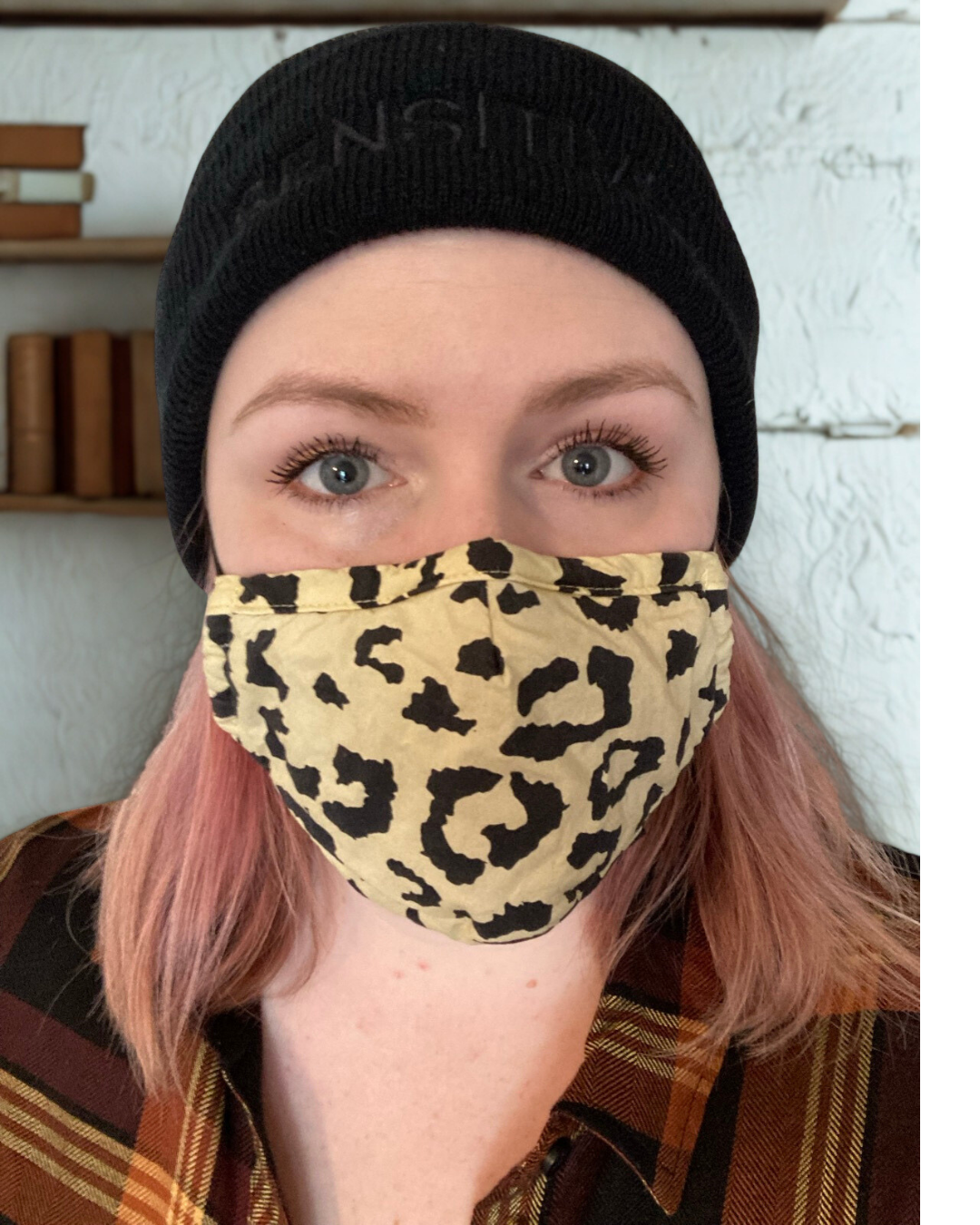
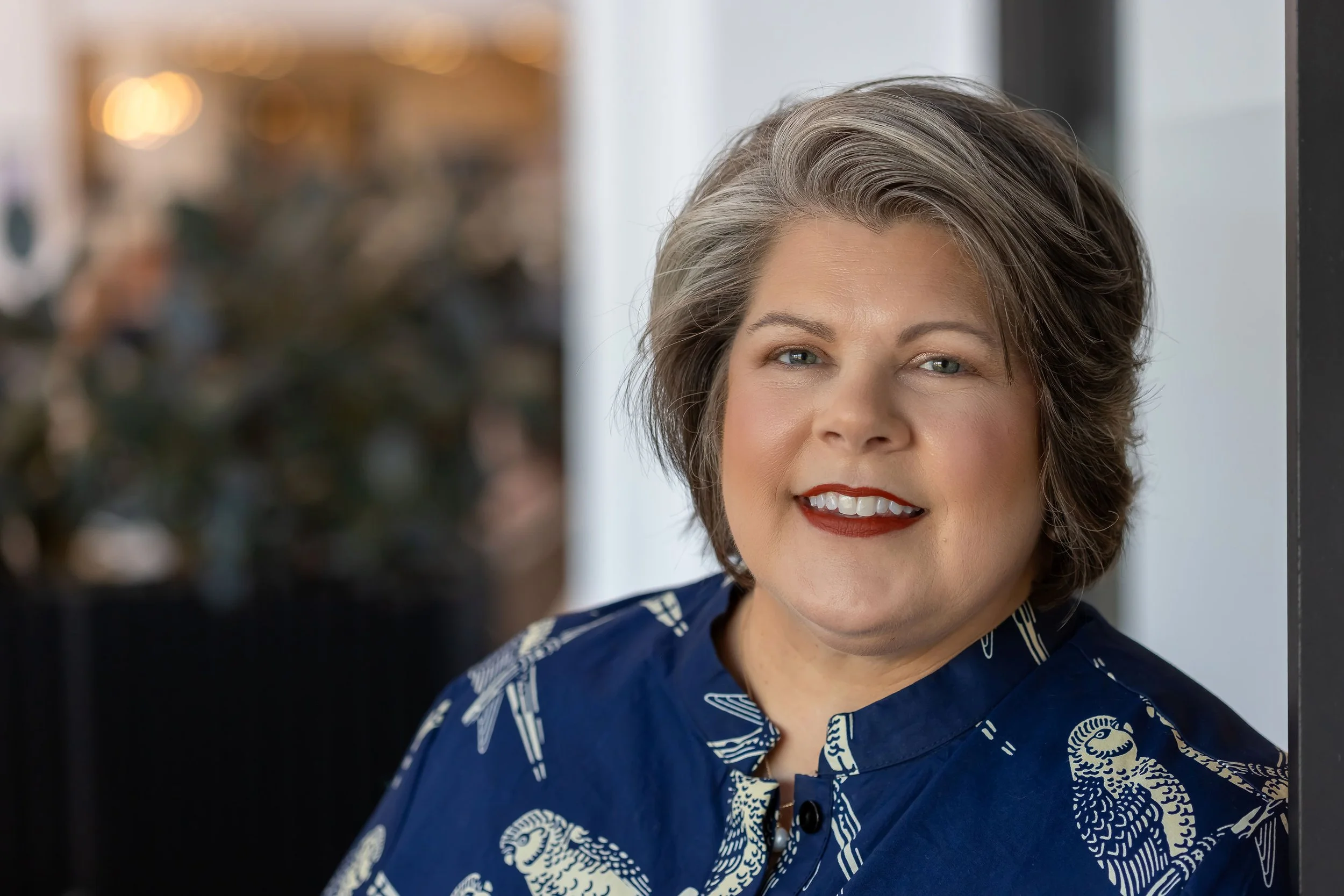
Elizabeth and Anna talk about the whys of sharing your story:
Willing to Share Your Story?
Willing to Share Your Story?
How to Participate & What to Expect
1. Sign the Participant Agreement
This clarifies your rights and gives us permission to collect, preserve, and share your story. After submission, you’ll receive a link to schedule your interview.
2. Schedule & prepare
Choose a time then reflect on what you’d like to share. Many narrators find it meaningful to write their story or notes in advance. You are welcome to read your story if you wish. There's no wrong way to prepare.
3. Meet & share Your Story
We'll meet for about 60 minutes via video. Before recording begins, we'll have an unrecorded conversation to walk through informed consent, answer any questions, and give you the opportunity to opt out. If you choose to continue, we'll start recording audio.
You can pause, skip any question, or stop at any time. This is your story — you're always in control.
We'll begin with one or two questions and follow wherever you lead:
When you think about your experiences during Operation Metro Surge, what stands out?
How would you describe Operation Metro Surge to someone who wasn't living here at the time?
If it's helpful, we may also explore what an ordinary day looked like, what led you to respond the way you did, what changed you, and what you'd want someone in the future to know.
4. Review & Approve
After editing, we'll send you a link to the audio file through a secure channel to the email address you provide. Only you will have access to the recording, and nothing will be published without your final approval.
5. Your Story is preserved
We securely archive your interview with Ramsey County Historical Society and share it in the future in ways that honor your experience and contribution.



How We Protect Your Identity While Preserving Your Story
We want to be transparent about why we require a signed participant agreement, including a Deed of Gift and copyright transfer.
We did not make this decision lightly. We consulted oral history best practices and learned that in order to ethically preserve and share these stories over time, we must document clear permission from each narrator using their legal name. Because stories may be preserved and shared long into the future, the Deed of Gift also transfers copyright to MN Speaks representatives. This helps ensure your story can be safely archived, protected, and shared as part of the historical record without future legal barriers, while honoring the name and identity you choose for the audio file.
To protect you, participant agreements (which include legal names and signatures) are kept in a secure location accessible only to MN Speaks representatives. Recordings and transcripts are stored in a different secure location and labeled only with the name the narrator chooses, including a pseudonym if they prefer. Legal identity is not attached to recordings. In other words, your participant agreement (with your legal name) and your audio recording (with your preferred name) will be stored separately.
We are committed to honoring your privacy and your trust. However, because this is an oral history project intended to preserve and share stories, we cannot guarantee absolute confidentiality. We recognize this is not ideal for those who wish to remain anonymous, but it is the best balance we can offer right now between protecting identities and ensuring narrator stories can endure.
Should you choose to participate, we encourage you to share only what you would be comfortable having shared now and preserved in the future.
Why Oral History?
Oral history preserves lived experiences in people’s own words. It centers deep listening, honors complexity, and ensures stories are not lost, simplified, or erased over time.
Collectively, these stories strengthen community, deepen understanding, and create a lasting, human record that future generations can learn from.
Contact
We use Gmail. If you would prefer to contact us via Proton, use MNspeaks@pm.me
Subscribe
We won’t share your email. We will keep it to ourselves.
PartnerS

Both Ramsey County Historical Society in Saint Paul and Hennepin History Museum in Minneapolis have agreed to partner with MN Speaks as collection repositories.